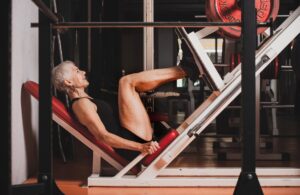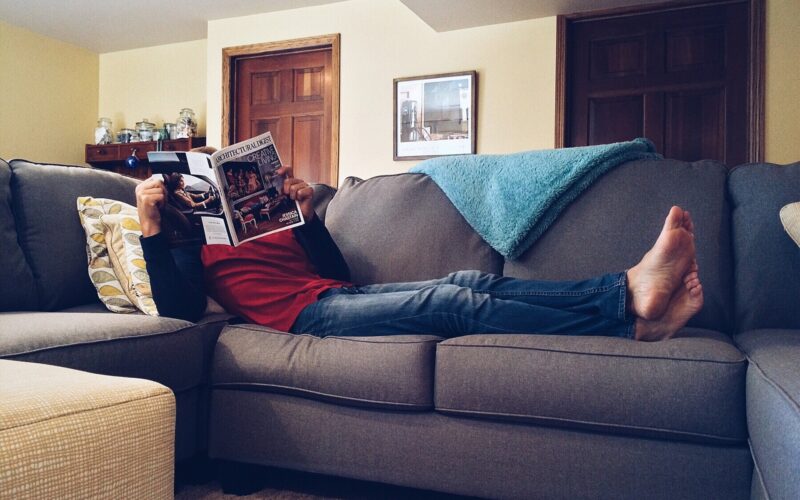
You live and breathe for your morning run, your evening gym session, or your weekend cycle. Your partner, on the other hand, prefers a good book, a movie marathon, or a leisurely stroll through the park. When a fitness enthusiast and a more sedentary person fall for each other, it can feel like you’re from different planets. This difference in lifestyle doesn't have to be a deal-breaker. With understanding, communication, and a bit of creativity, you can build a strong, supportive relationship that honours both your passions and your partner’s preferences. The key lies in finding a balance that works for both of you, celebrating your differences rather than seeing them as obstacles.
Acknowledge and respect your different priorities
The first step is to accept that your priorities are simply different, and that's okay. For you, physical activity is a core part of your identity, a stress-reliever, and a source of joy. For your partner, relaxation and other hobbies may fulfil those same needs. It's crucial not to judge their lifestyle or try to force them into yours. Nagging them to join you at the gym or making passive-aggressive comments about their screen time will only create resentment. Instead, respect their choices just as you want them to respect your commitment to fitness. Acknowledge that you both have valid ways of spending your free time and recharging your batteries. This mutual respect forms the foundation of a healthy partnership.
Find active pursuits you can enjoy together
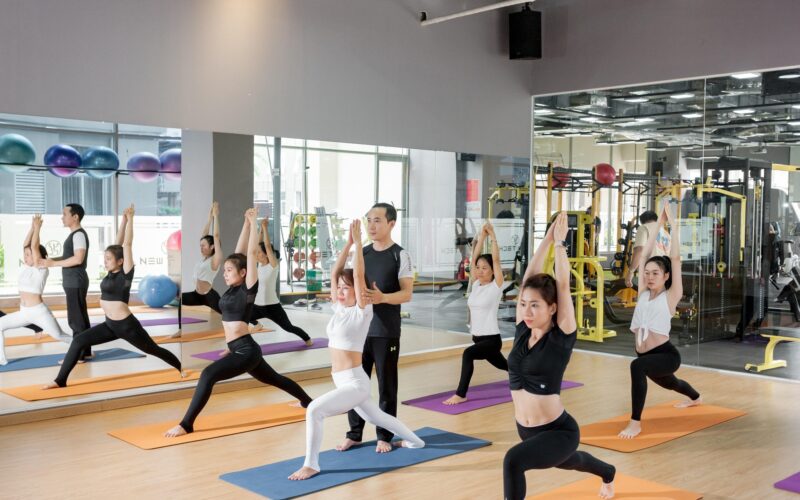
Bridging the activity gap doesn’t mean your partner needs to start training for a marathon with you. It’s about finding a middle ground. Explore activities that you can both genuinely enjoy. This could be anything from a weekly walk in a beautiful location to a dance class, bowling, or even gardening. The goal is to spend quality time together while being active in a way that feels fun, not like a chore. Think outside the box. Maybe they'd enjoy the strategy of a climbing wall or the social aspect of a beginner's tennis lesson. Focus on the shared experience and connection, not the intensity of the workout.
Communicate your needs and schedule
Clear communication is vital. Your fitness routine requires a significant time commitment, and it's important that your partner understands this. Explain why it’s so important to you—whether it’s for your mental health, your physical goals, or the social community it provides. Be open about your schedule so they know when you'll be unavailable. This prevents feelings of being neglected or deprioritised. By the same token, you need to listen to their needs. Ensure you are carving out dedicated time for them that doesn't involve you being exhausted from a workout or distracted by your training plan. Balancing "gym time" and "us time" is essential.
Show interest in their world
Just as you hope they might support your fitness journey, make a genuine effort to engage with their hobbies. If they love films, plan a special movie night. If they are passionate about art, visit a gallery together. Showing interest in their world demonstrates that you value them as a person, not just as a potential workout buddy. This reciprocal support strengthens your bond and shows that the relationship isn't one-sided. When your partner feels seen and appreciated for who they are, they will be much more likely to cheer you on as you cross the finish line or hit a new personal best.
Celebrate your individual time
A successful relationship doesn't mean you have to do everything together. Having separate interests is healthy and allows each person to maintain their sense of self. Embrace the time you spend apart. While you’re at the gym, your partner can be happily engrossed in their own pursuits. This independence can actually make your time together more meaningful. You’ll have more to talk about and will appreciate the shared moments even more. Don't view their lack of interest in exercise as a rejection of you; see it as an opportunity for both of you to cultivate your individual passions.
Ultimately, a relationship between a fitness junkie and a non-athlete can be incredibly rewarding. It teaches you to compromise, communicate, and appreciate your partner for their unique qualities. By finding creative ways to connect, respecting each other's lifestyles, and celebrating both your shared and individual interests, you can build a partnership that is as strong and enduring as your commitment to your next workout.